
Do You Know the Ingredients in Your Cosmetics?
Table of Contents
In 2019, The New York Times published a rather alarming article on harmful substances lurking in cosmetics and personal hygiene products - due to the lack of legal obligations and regulations in the beauty industry.
Why is it important to be aware of ingredients and support organic/natural brands?
The use of controversial industrial chemicals in cosmetics is a growing concern for many consumers. At FEY, we deemed important to share useful tips on what to look for and what to steer clear from when it comes to ingredients. Knowledge is power. If every consumer can spot the ingredients they would rather avoid, the beauty industry will have no other choice than to clean up its act.
Read the labels, always.
Paraben-free is now frequently plastered all over the packaging, however that does not qualify a product as clean. Parabens, which have been studied as possible endocrine disruptors, are becoming the tree that hides the forest. Marketers come up with sophisticated ploys to make the consumer believe they are buying a natural product (such as tweaking the packaging to make it look eco and choosing terms such as "botanical or plant-powered") without a look at the full INCI list.
Keep a list of ingredients to avoid.
The so-called 'Dirty Dozen', the David Suzuki Foundation’s list of twelve cosmetic ingredient categories that are toxic, problematic or harmful to the environment, has been serving as a reference point: parabens, fragrances, sodium laureth sulfate (SLS), triclosan, petrolatum, PEGs, formaldehyde-releasing preservatives, siloxanes (silicones), DBP (dibutyl phthalate), Cocamide DEA and Lauramide DEA, BHA and BHT, coal-tar dyes (C.I.).
Let us add a couple more such as propylene and butylene glycols, GMO's, ethanolamine, aluminum, mineral oil, retinyl palmitate, and chemical sunscreen filters such as oxybenzone and octyl methoxycinnamate.
Depending on the ingredient, the concerns raised range from skin irritation and allergies to possible hormonal effects and harm to the environment.
That's exactly why we built our own black-list of banned ingredients — see everything we exclude, and why.
At FEY Cosmetics, we have banished all of the aforementioned ingredients and we continuously strive to bring you result-driven formulas that are safe for your skin and for the environment.
Science and natural skin care are perfectly compatible.
In fact, the use of organic ingredients allows for creating bio-active formulas that remain potent and effective. At FEY, we value raw materials and most of our ingredients are certified organic either by Ecocert or the USDA/NOP (National Organic Program). Both are internationally recognized and respected. Certified ingredients undergo strict testing to that effect.
In doubt, ask away and reach out to organic skincare experts.
Still too difficult to track down the problematic ingredients? Help yourself with apps such as ThinkDirty or online resources like EWG to decipher ingredients. Also, don't hesitate to contact brands if you have any inquiries about their products. A trustworthy brand will not hesitate to answer any ingredient-related questions. Transparency and communication are amongst the best tools to educate on organic and natural skincare. You can also scan products with Yuka: read why our skincare is rated 100/100.
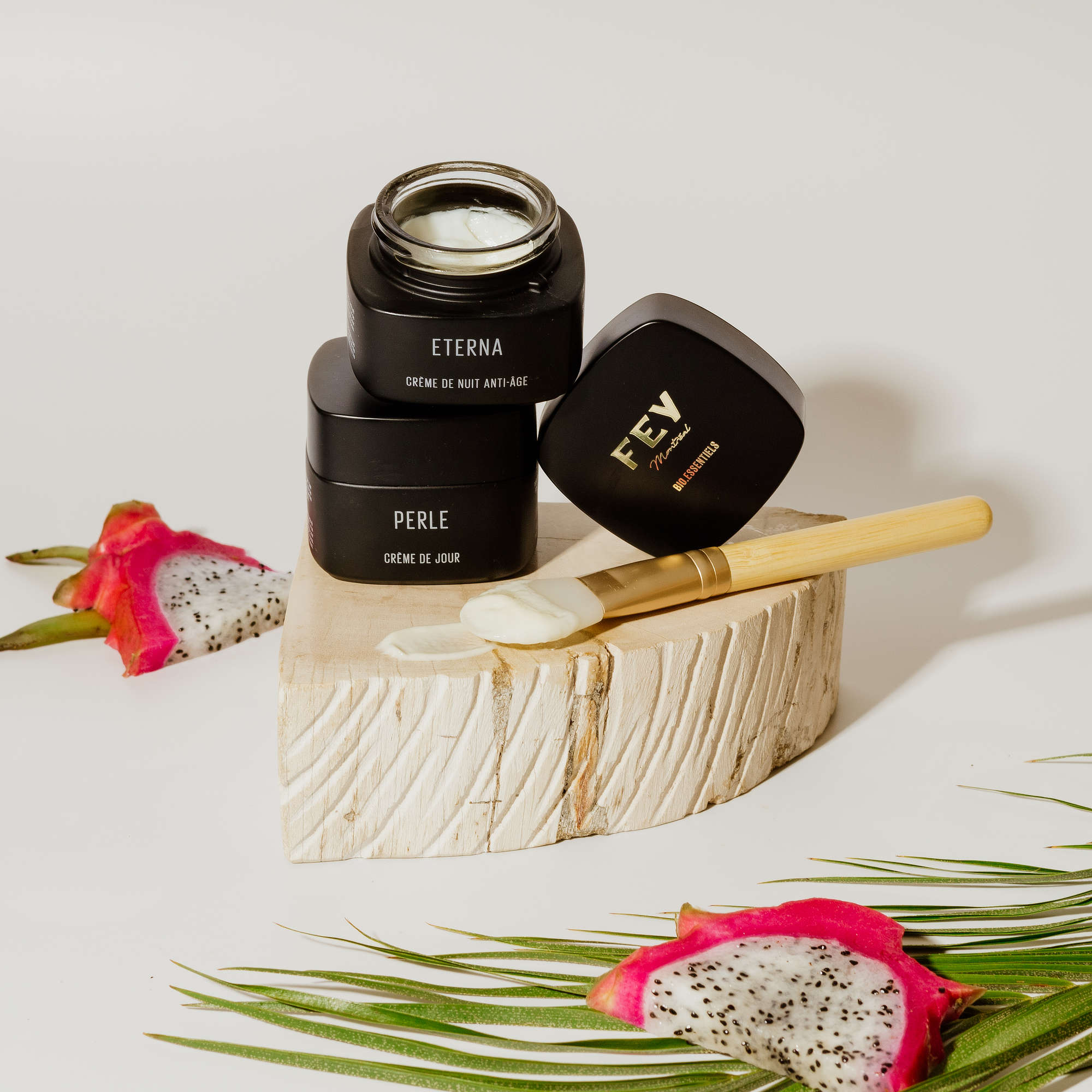
Shop Clean Skincare
FEY skincare leaves out every ingredient on our black-list. Start with our best sellers, or build your own routine with the Build Your Own Beauty Bundle: the more products you add, the more you save. FEY skincare is made in Montréal, Canada.